Save the Chocó hires local scientists to help identify where we can have the greatest impact. Their expertise and data help us make informed, science-driven decisions.
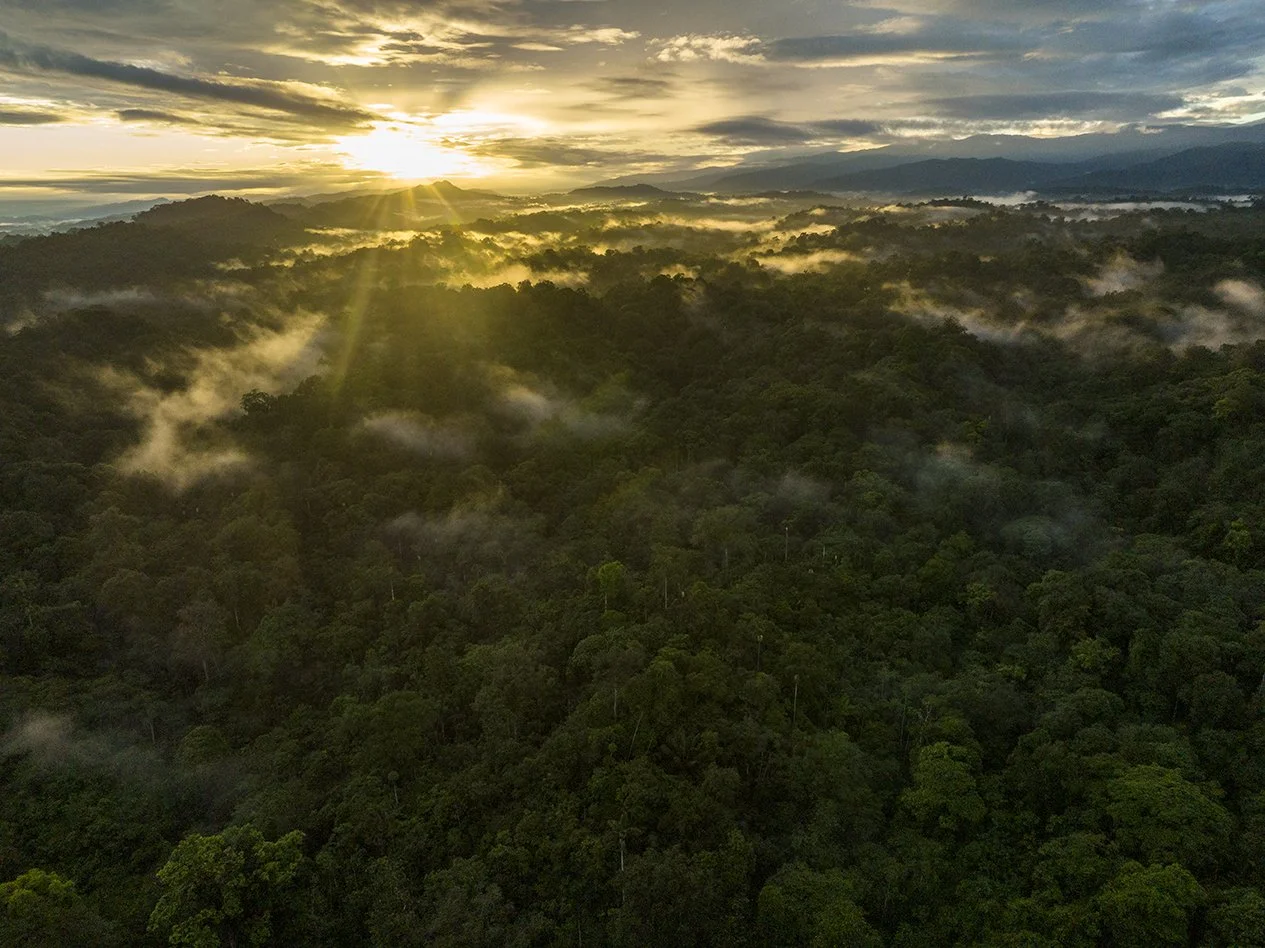
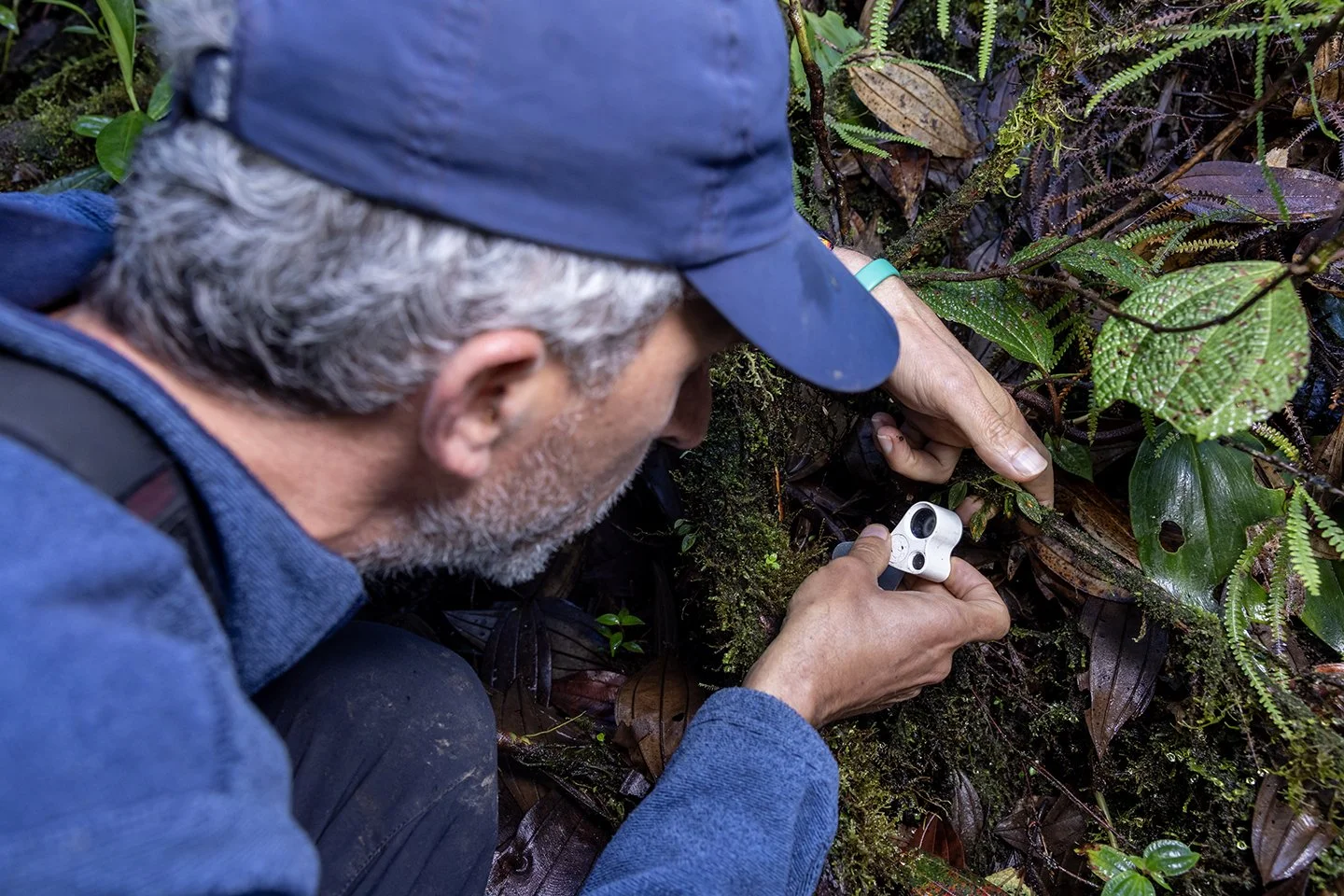
Save the Chocó works with local scientists to prioritize sites for our conservation efforts. Through biodiversity surveys and data collection, these researchers help us make informed, evidence-based decisions. We are working with Sebastián Vieira Uribe, a local botanist and in western Colombia to survey areas surrounding Tatama National Park. Tatama is home to extraordinary levels of biodiversity, including rare and unknown orchid species. Sebastián has identified more than 50 species outside of Tatama, enabling us to focus our efforts on specific patches of land to preserve or reforest in a community buffer zone around the park. Please donate today to help support these scientific and reforestation efforts around Tatama.
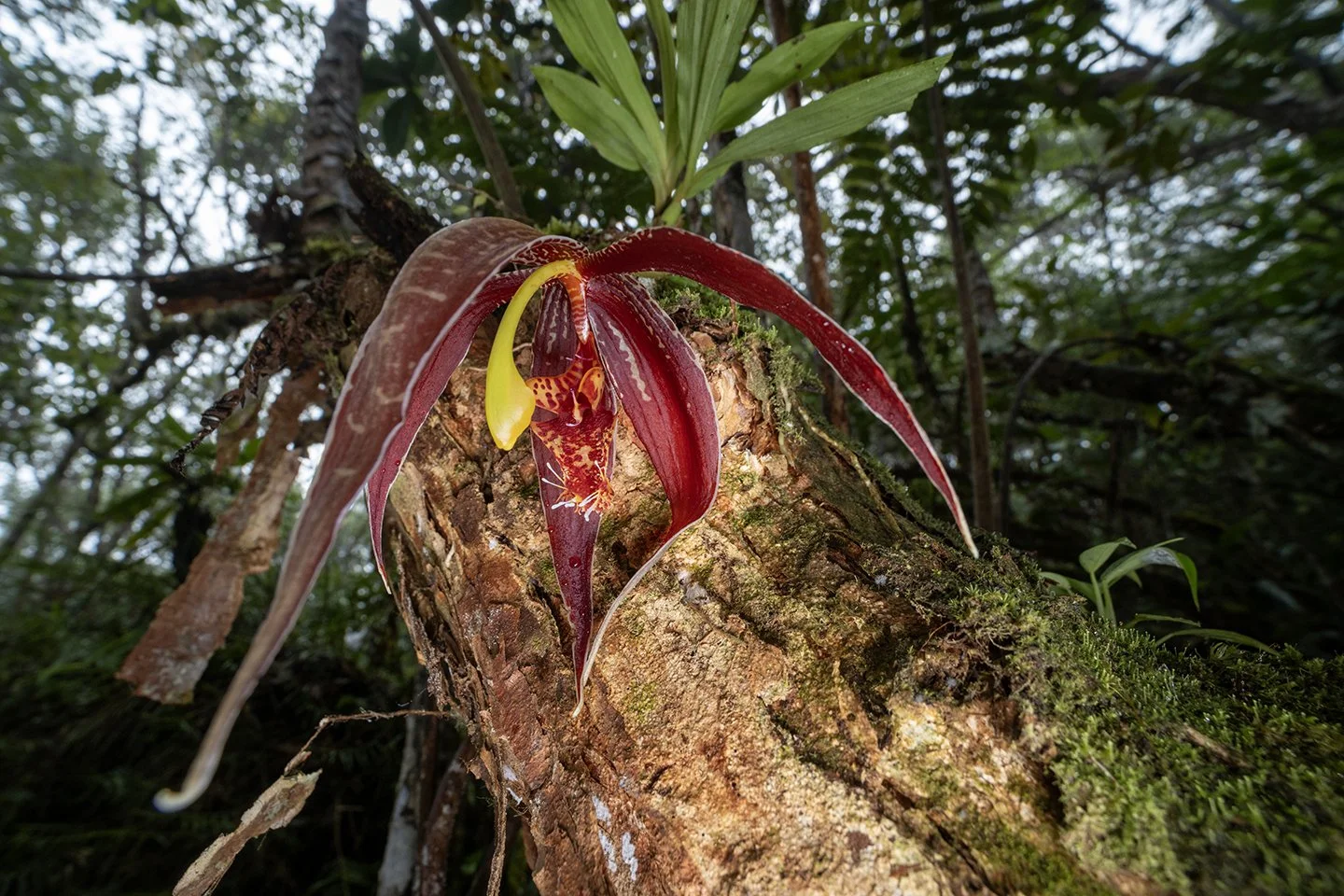
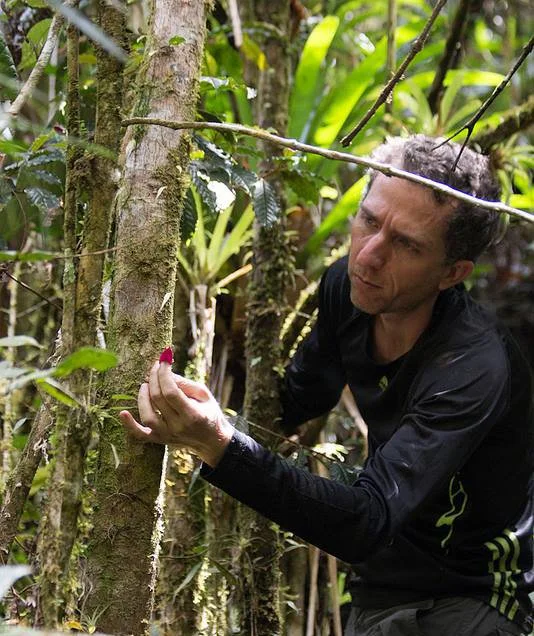
Sebastián Vieira Uribe is a passionate naturalist, conservationist, and nature photographer. He currently serves as the executive director of the SalvaMontes Corporation. From a young age, Sebastián has been devoted to exploring, studying, and photographing the rich biodiversity of his native Colombia, with a particular focus on Pleurothallid orchids. His work has led to the discovery and publication of several new species.
He is the co-author of Pleurothallids: Neotropical Jewels, editor of the Species Orchidacearum series, and an active researcher with the Schultes and GIBIOT research groups at the Botanical Garden of Medellín. With extensive experience traveling across Colombia in search of orchids, Sebastián has organized and led numerous botanical expeditions and tours in various regions of the country.
“The Tumbes-Chocó-Magdalena hotspot, also known as the Biogeographic Chocó, is the wettest forested region on Earth. Nestled in a narrow strip between the Pacific Ocean and the Andes mountain range, its unique geographic and climatic conditions foster extraordinary biodiversity, with numerous endemic species of flora and fauna. Orchids, in particular, have thrived in this environment, as well as in the western foothills of the Andes, where they have evolved and diversified extensively. This has resulted in an exceptionally high number of species, many of which are micro-endemic—found only in extremely limited geographic areas—and highly dependent on the specific temperature and humidity conditions to which they have adapted.”